Your free report
The secure pattern
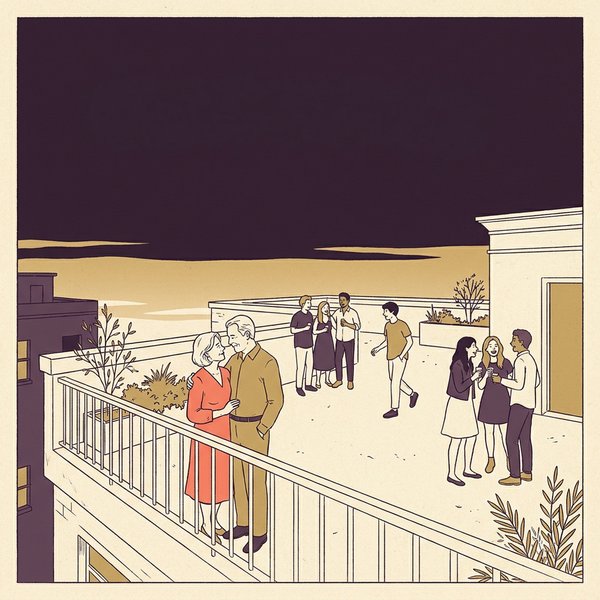
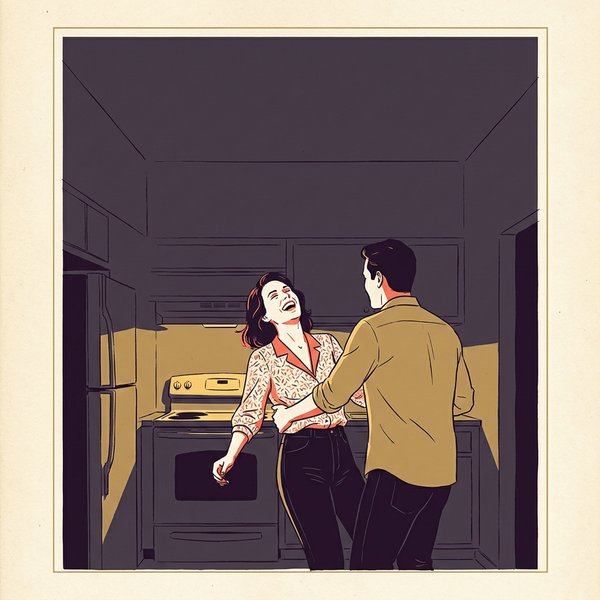
Getting close to someone feels mostly safe to you, and so does having a little space.
You scored low on both scales. What that means for you is that you don't spend nights wondering if your partner still cares, and having someone close doesn't make you want to run for the door. Researchers call this pattern secure, and in most studies it turns up as the most common style in adults.
Being secure doesn't mean you never get jealous or hurt, or feel a bit crowded sometimes. You still do, we all do, but with you those feelings usually pass before they take over. After a fight you can mostly trust the relationship is still there in the morning, and you can say what you need without it feeling like a big risk.
People with this pattern tend to cope well with partners who are less settled than they are. That is a real strength, and also a place to watch: it is easy to become the steady one who carries the calm for both of you, without saying when it gets heavy.
What you told us reflects how you feel right now, in the relationships you've been in so far. Research shows attachment can move with big life events and with the people we love, toward more secure or less, so it's worth taking care of.
One thing to try this week
Think about what you already do after an argument that helps the two of you calm down. Then tell your partner what it is, out loud, so it turns into something you both do on purpose.
Your free report
The anxious pattern
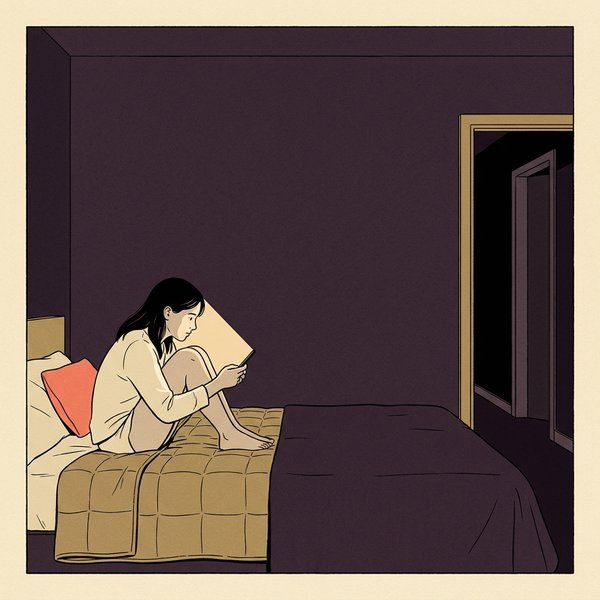
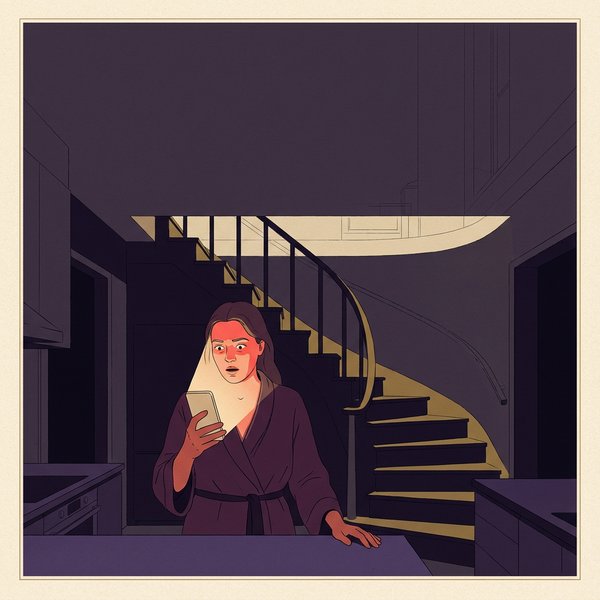
You want to be close a lot, and some part of you keeps worrying it could get taken away.
You scored high on anxiety and low on avoidance. That means you do not pull away from closeness. You want it, and sometimes you want it right now, so when a reply comes slowly or a partner's tone goes a little cool your mind can start racing over what it might mean.
Researchers call this an alarm system that is set to go off early. When it goes off, you tend to reach harder for your partner, with more messages and more checking, and you need to hear again that things are fine. That isn't neediness as some flaw in you. It's your nervous system working very hard to keep a bond safe.
The catch is that all that reaching can drive off the very partner it's meant for, and that goes double for a partner who needs room when things heat up. Plenty of couples end up stuck going round in it, one of them chasing and the other pulling back, and both of them feeling unloved.
When we look at studies of adults whose attachment grew more secure over time, a few things keep showing up: a partner who responds in steady, predictable ways, learning to calm the alarm before you act on it, and putting the fear into words instead of acting it out.
One thing to try this week
The next time that alarm goes off, give it ten minutes before you send anything. Then tell your partner what you feel instead of what you suspect. Something like "I felt a bit lost when I didn't hear from you" goes down a lot softer than asking where they were.
Your free report
The avoidant pattern
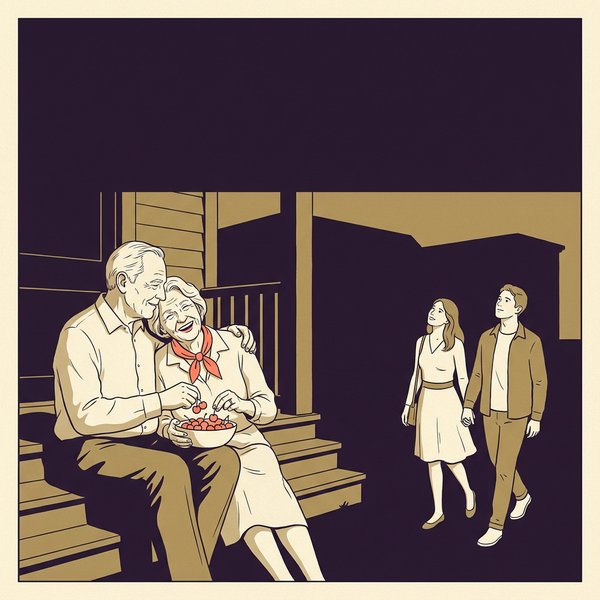
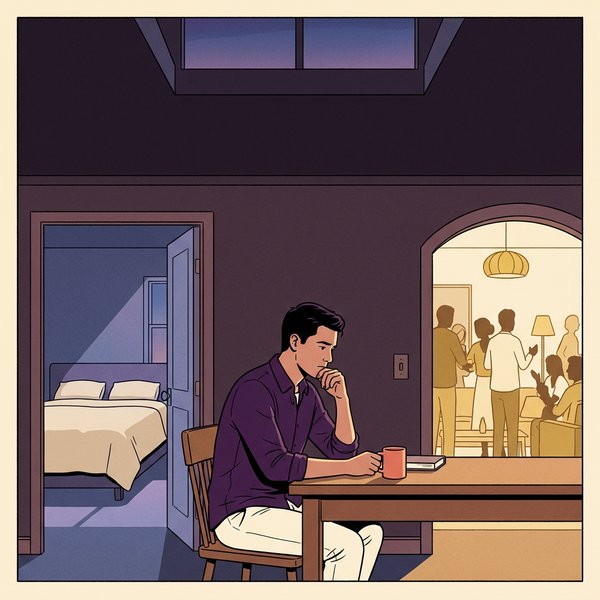
You like having your own space, and a lot of closeness can start to feel like pressure.
You came out high on avoidance and low on anxiety. That doesn't mean you feel less than other people do. It means you tend to handle your feelings by yourself, and when a partner moves in very close or wants to sit down and talk it all through, some part of you starts looking for a little room.
Researchers have a name for this pattern, dismissive avoidant. It tends to start in a home where leaning on other people didn't help much, so you learned that relying on yourself was the safer plan. That plan serves you well at work and when things go wrong. In love it can leave a partner feeling shut out, even when you care about them a great deal.
Avoidance tends to go with keeping sex and closeness in separate boxes, studies find, and with backing off right when a relationship starts getting serious. That urge to back off doesn't mean you picked the wrong person. A lot of the time it's just the old plan kicking in.
The research on change keeps landing in the same place, and it's not the big talk. It's small steps you repeat: let your partner help you with something minor, say one true thing about how you feel, and stay a few minutes longer in a close moment than feels comfortable to you.
One thing to try this week
When you feel the urge to pull back and make some room, say so to your partner, and tell them when you'll be back. To them, space you explain feels a lot different from space that just shows up out of nowhere.
Your free report
The fearful pattern
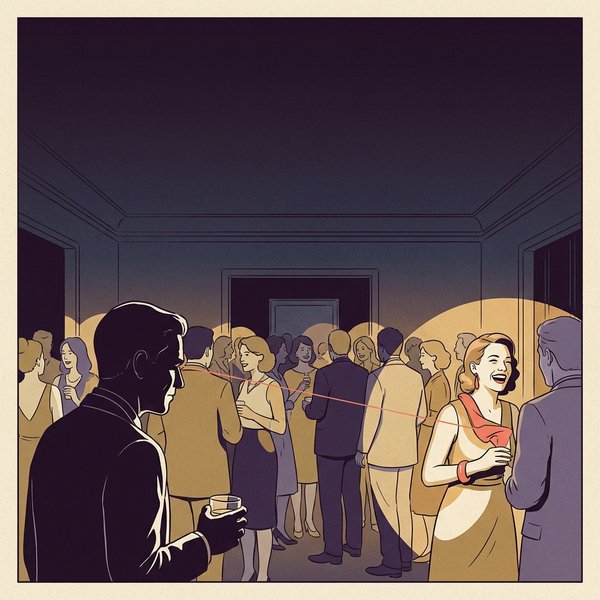
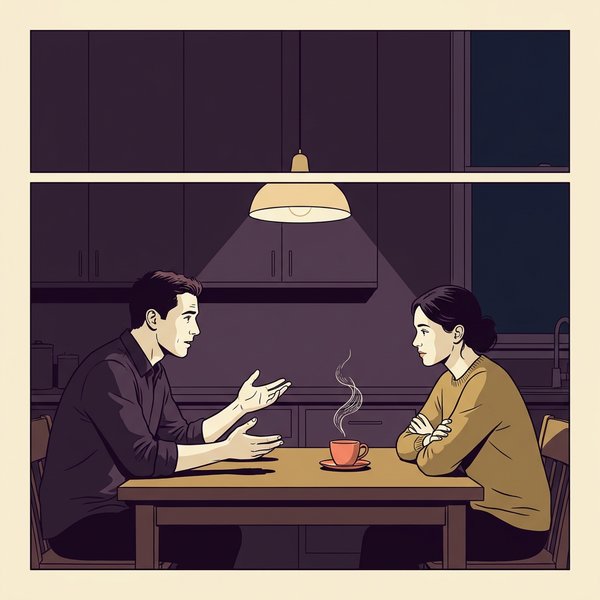
You want to be close to someone, but getting close also feels unsafe.
You scored high on both scales. That means you want closeness and you worry about losing it, but being close can also feel risky to you. Researchers have a name for this, fearful avoidant attachment, and a lot of people who have it say they swing back and forth between holding on and pulling away.
That push and pull can confuse you, and it can confuse a partner too. Some weeks you want reassurance and other weeks you need space, and it is hard to say why. It starts to make sense when you see there are two alarms going off together, one about being left and the other about getting too close.
This pattern often grows out of earlier relationships where the people you needed were also the ones who hurt you. That doesn't mean you're stuck with it for life. Long-term studies have found that a lot of adults move toward security over time, usually through steady relationships, and for some people through good therapy too.
If this pattern feels heavy to carry, it's a good idea to talk with a qualified therapist. We built this test to help you understand yourself, and it isn't a diagnosis.
One thing to try this week
Next time you notice yourself swinging, stop and ask which alarm is going off. Is it "I'm scared you'll leave" or is it "I'm feeling crowded"? Once you know which one it is, the next step gets a lot clearer, for you and your partner both.